Research Areas
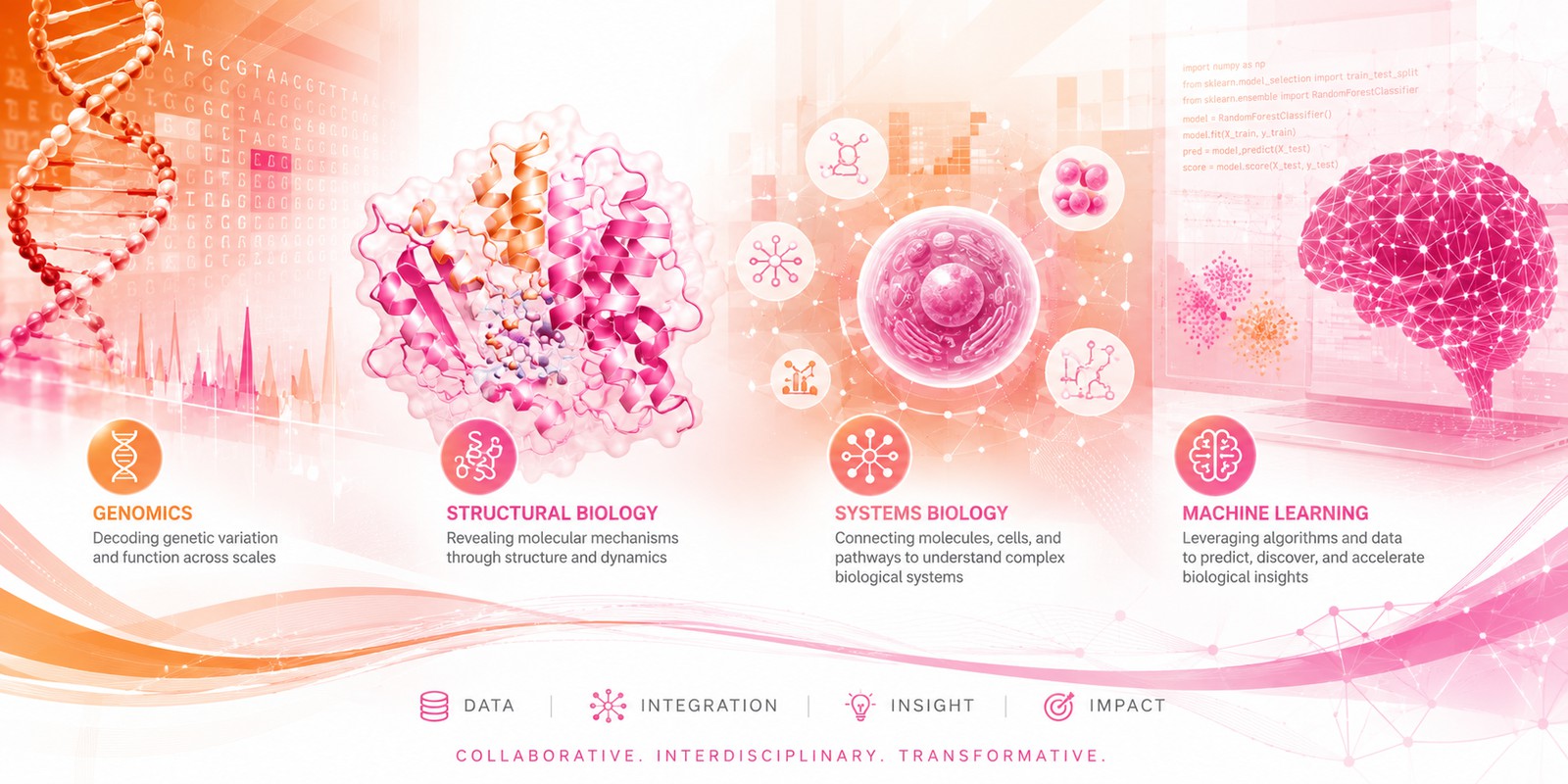
Our program covers a broad spectrum of research areas at the intersection of biology and computation. Faculty and students engage in cutting-edge research across multiple domains.
Genomics and Transcriptomics
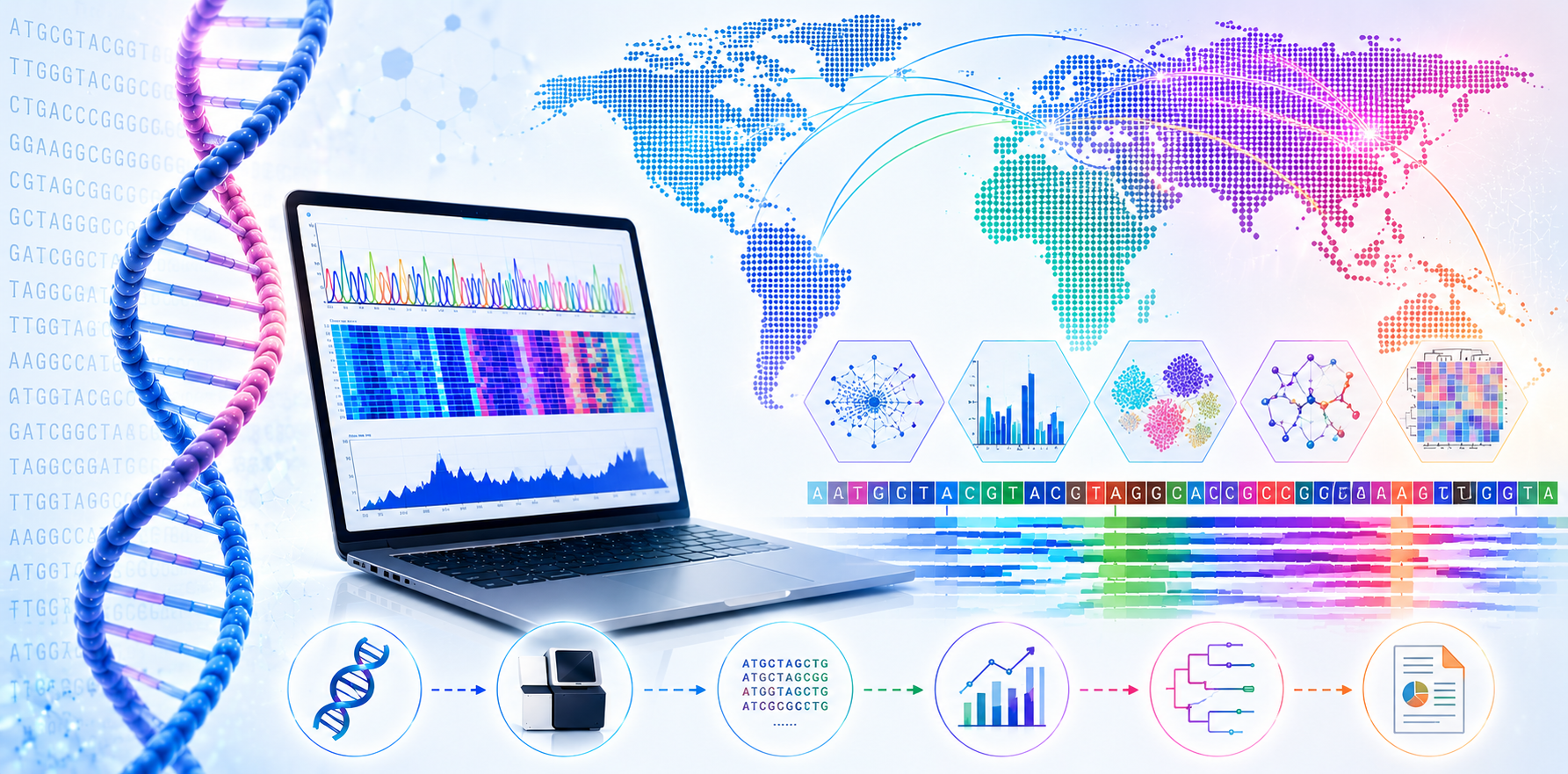
Next-Generation Sequencing Analysis
Application of computational methods to analyze high-throughput sequencing data including whole genome sequencing, exome sequencing, and targeted sequencing.
Key Topics:
- Genome assembly and annotation
- Variant calling and interpretation
- Structural variation detection
- Quality control and preprocessing pipelines
Applications:
- Population genomics
- Cancer genomics
- Rare disease diagnosis
- Agricultural genomics
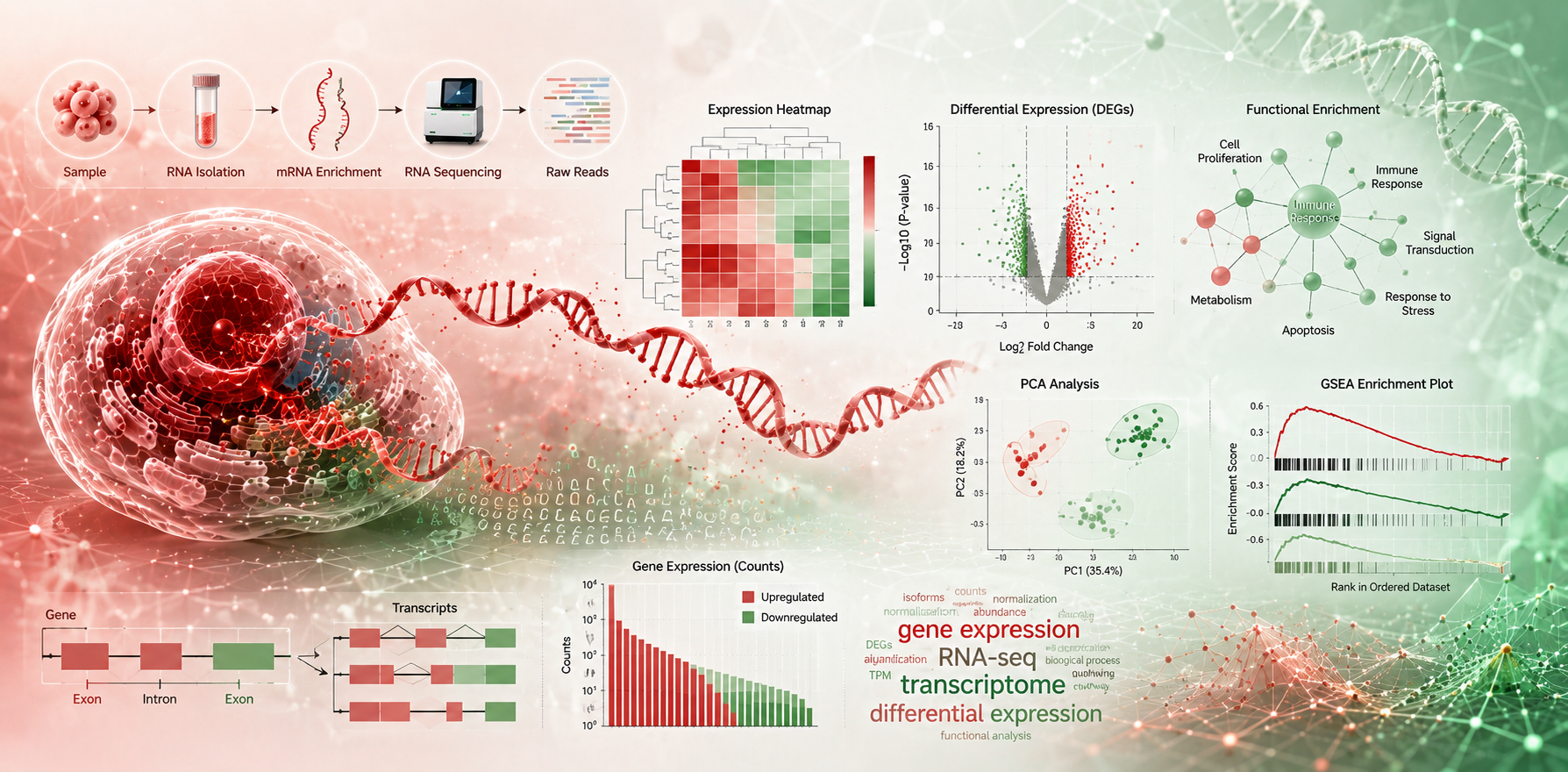
RNA Sequencing and Gene Expression
Analysis of transcriptome data to understand gene expression patterns and regulation.
Key Topics:
- Differential expression analysis
- Alternative splicing
- Long non-coding RNA analysis
- Single-cell RNA-seq
Applications:
- Disease biomarker discovery
- Drug response prediction
- Developmental biology
- Cell type identification
Epigenomics
Study of epigenetic modifications and their role in gene regulation.
Key Topics:
- DNA methylation analysis
- Histone modification profiling
- Chromatin accessibility
- Enhancer and promoter prediction
Structural Bioinformatics
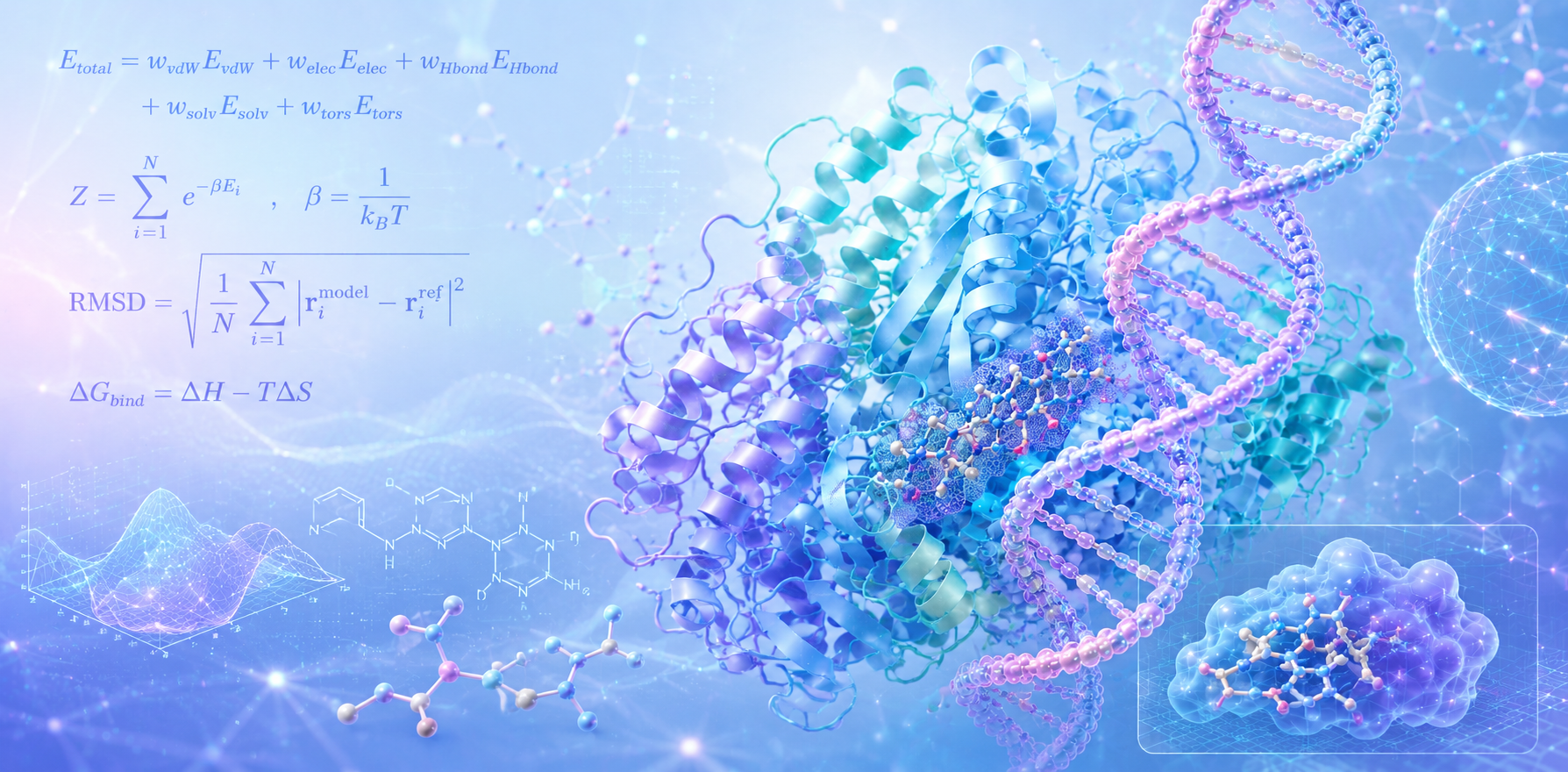
Protein Structure Prediction
Computational prediction and analysis of protein three-dimensional structures.
Key Topics:
- Homology modeling
- Ab initio structure prediction
- AlphaFold and AI-based methods
- Protein-protein interaction interfaces
Applications:
- Drug target identification
- Protein engineering
- Function prediction
- Disease variant interpretation
Molecular Dynamics and Simulation
Simulation of biomolecular systems to understand their behavior and interactions.
Key Topics:
- Protein folding dynamics
- Ligand binding simulations
- Membrane protein studies
- Free energy calculations
Drug Discovery and Design
Computational approaches to identify and optimize therapeutic compounds.
Key Topics:
- Virtual screening
- Molecular docking
- Structure-based drug design
- ADMET prediction
- AI-driven drug discovery
Systems Biology and Networks
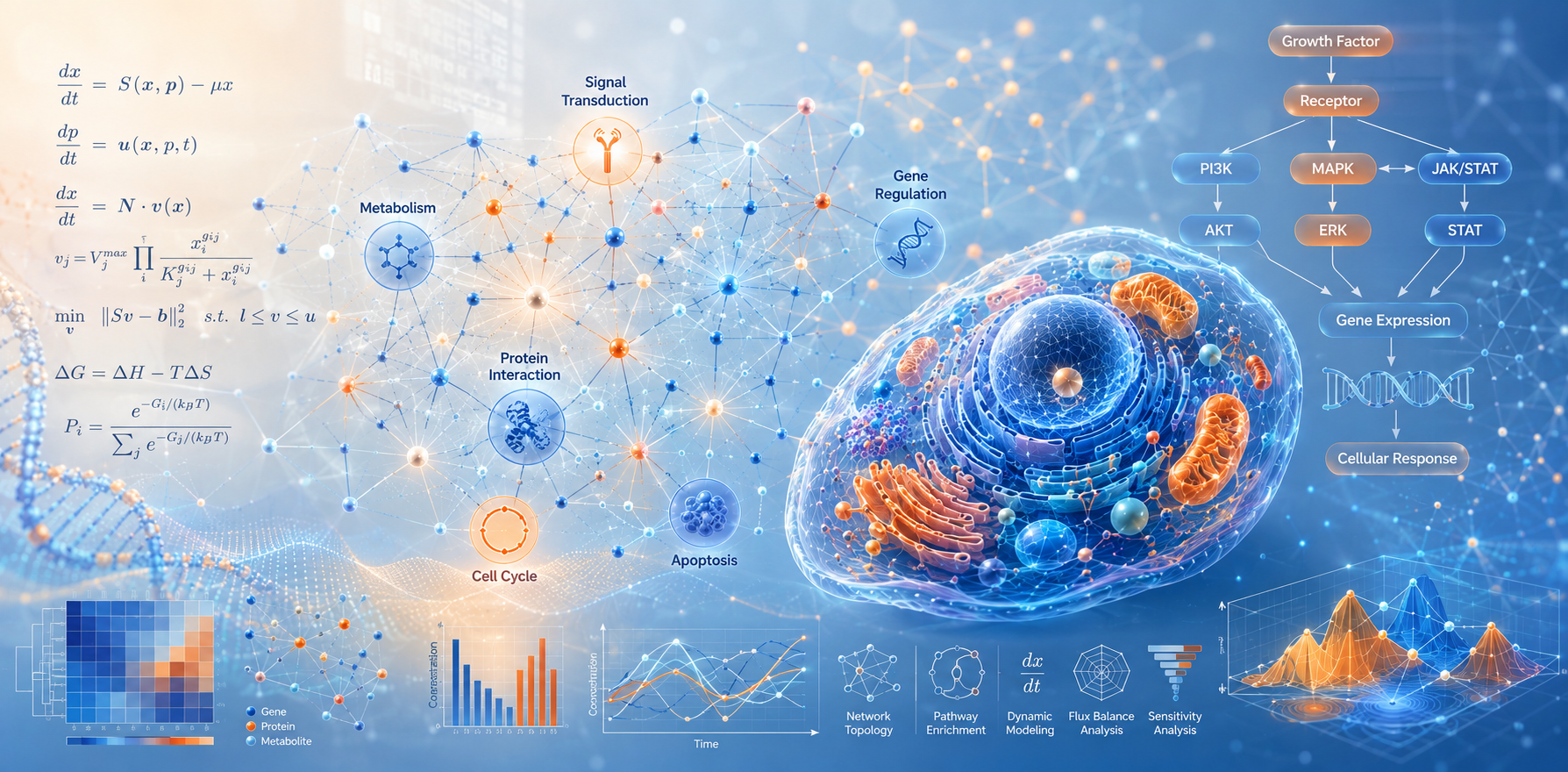
Biological Network Analysis
Study of complex interactions in biological systems using network theory.
Key Topics:
- Protein-protein interaction networks
- Gene regulatory networks
- Metabolic pathway analysis
- Network topology and motifs
Applications:
- Disease mechanism elucidation
- Drug target identification
- Synthetic biology
- Systems medicine
Mathematical Modeling
Development of mathematical models to describe biological processes.
Key Topics:
- ODE and PDE models
- Stochastic modeling
- Boolean network models
- Multi-scale modeling
Applications:
- Cell signaling dynamics
- Population dynamics
- Metabolic flux analysis
- Circadian rhythm modeling
Machine Learning and Artificial Intelligence
Deep Learning in Biology
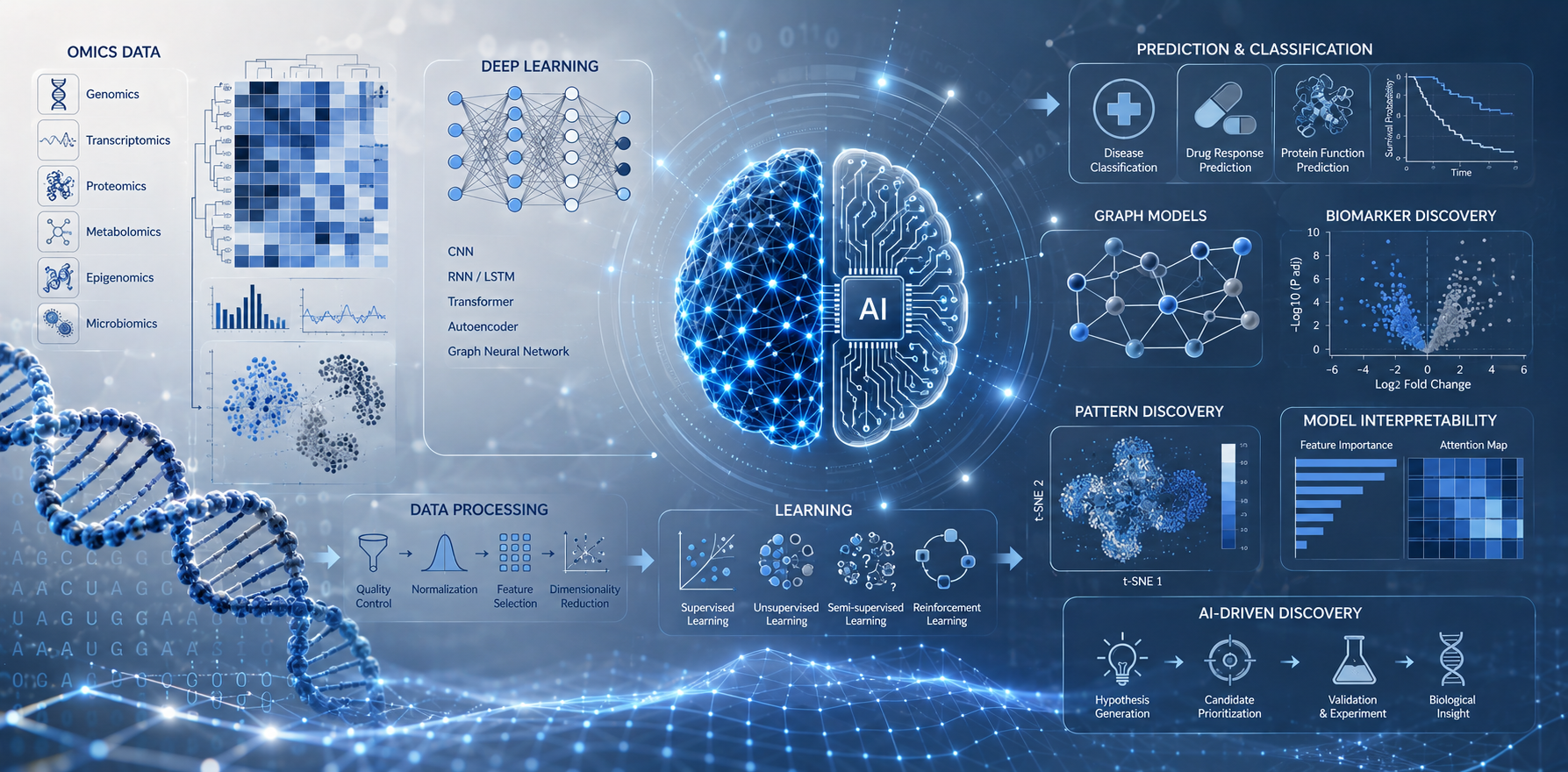
Application of deep neural networks to biological problems.
Key Topics:
- Convolutional neural networks for sequence analysis
- Recurrent networks for time-series data
- Transformers for protein sequences
- Graph neural networks for molecular graphs
Applications:
- Variant effect prediction
- Protein function prediction
- Drug-target interaction
- Image analysis in microscopy
Predictive Modeling
Statistical and machine learning approaches for biological prediction tasks.
Key Topics:
- Classification and regression models
- Feature engineering and selection
- Ensemble methods
- Model interpretation
Applications:
- Disease risk prediction
- Clinical outcome prediction
- Drug response prediction
- Biomarker discovery
Metagenomics and Microbiome
Microbial Community Analysis
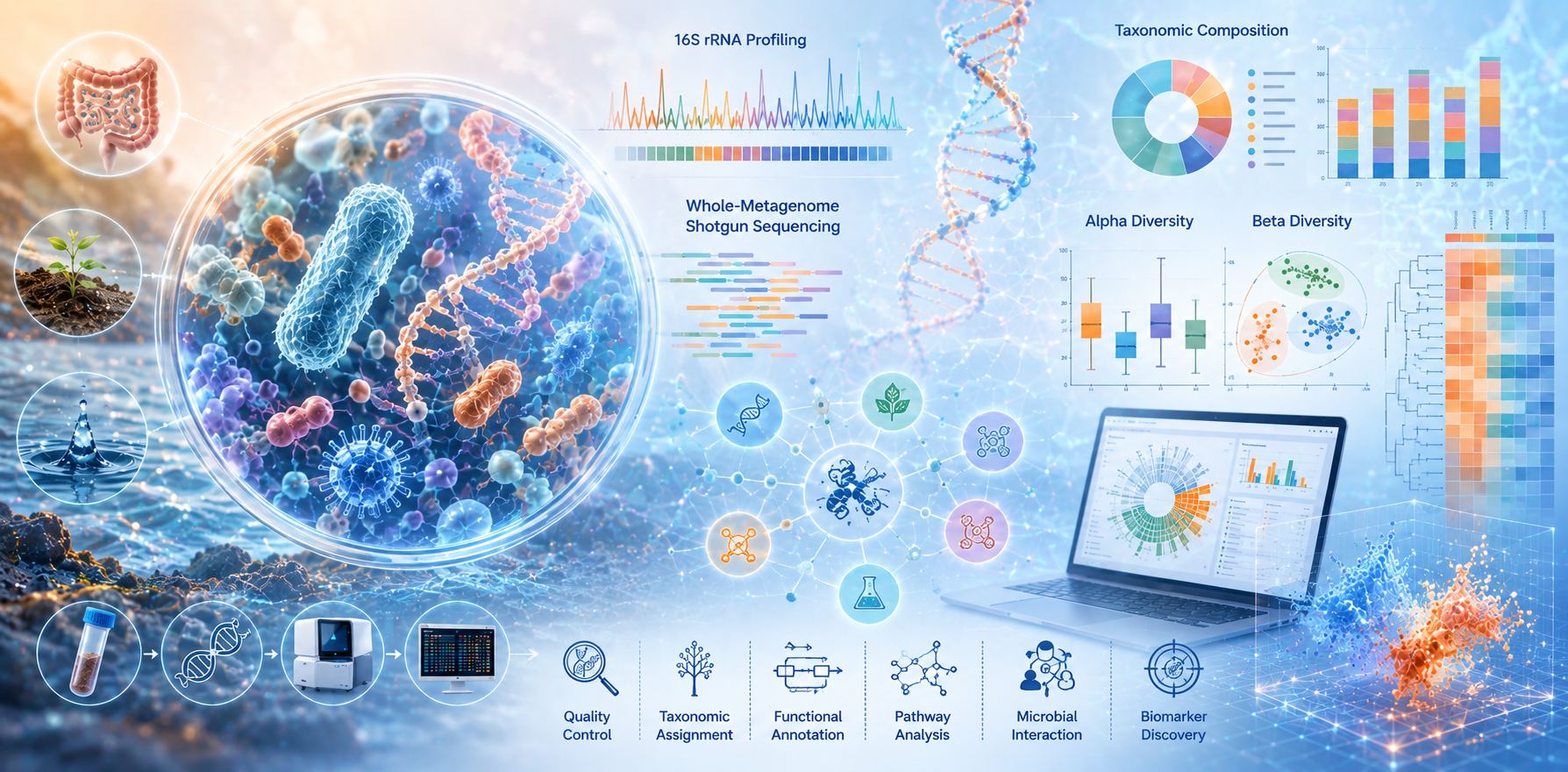
Computational analysis of complex microbial communities.
Key Topics:
- 16S rRNA amplicon analysis
- Shotgun metagenomics
- Taxonomic and functional profiling
- Metagenome-assembled genomes
Applications:
- Human microbiome studies
- Environmental microbiology
- Agricultural microbiome
- Probiotic development
Clinical and Translational Bioinformatics
Precision Medicine
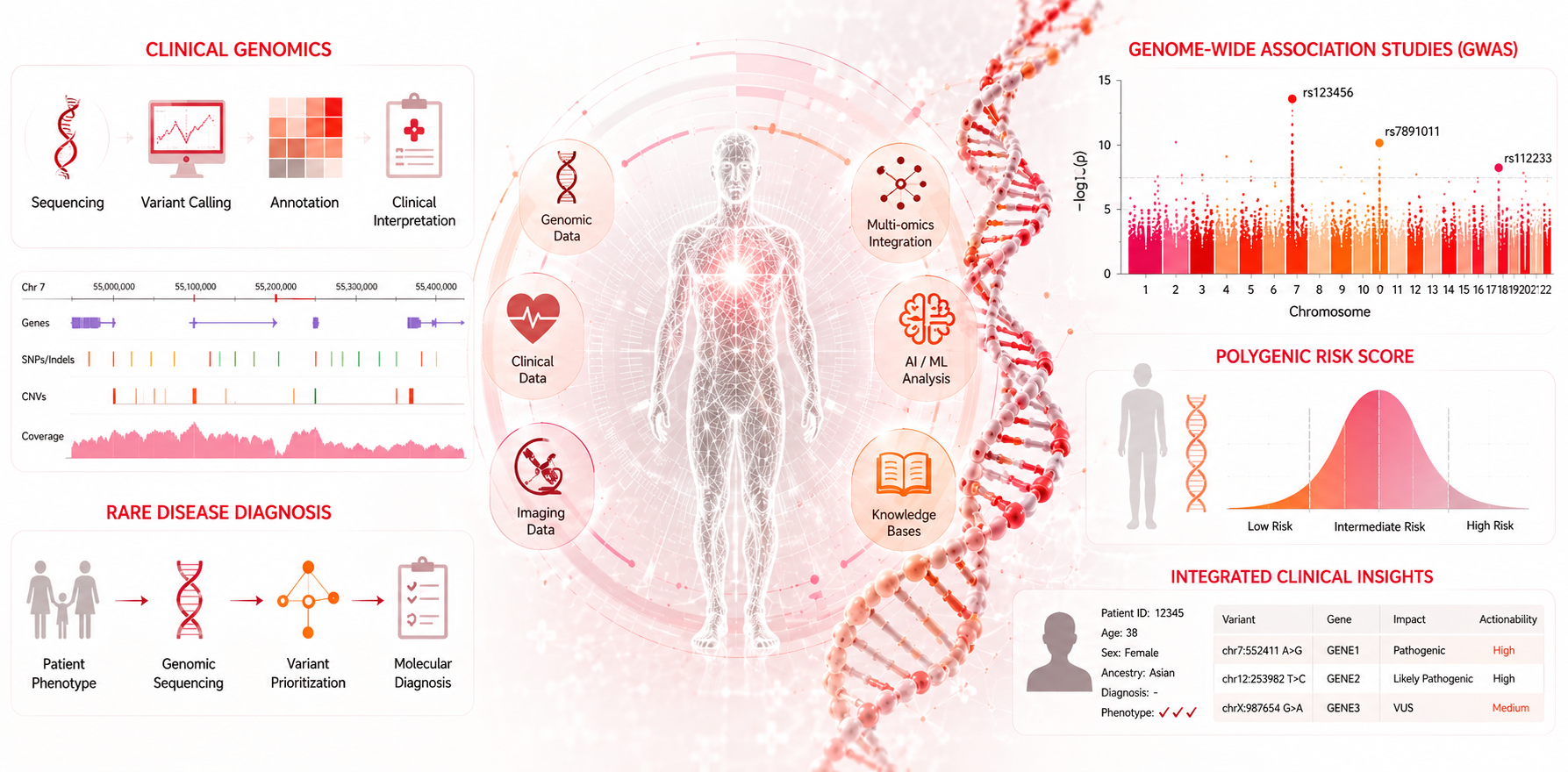
Application of genomic information for personalized medical care.
Key Topics:
- Clinical variant interpretation
- Pharmacogenomics
- Cancer genomics
- Rare disease diagnosis
Biomedical Data Integration
Integration of multi-omics and clinical data for comprehensive analysis.
Key Topics:
- Electronic health records integration
- Multi-omics data fusion
- Clinical decision support systems
- Biobank informatics
Emerging Research Areas
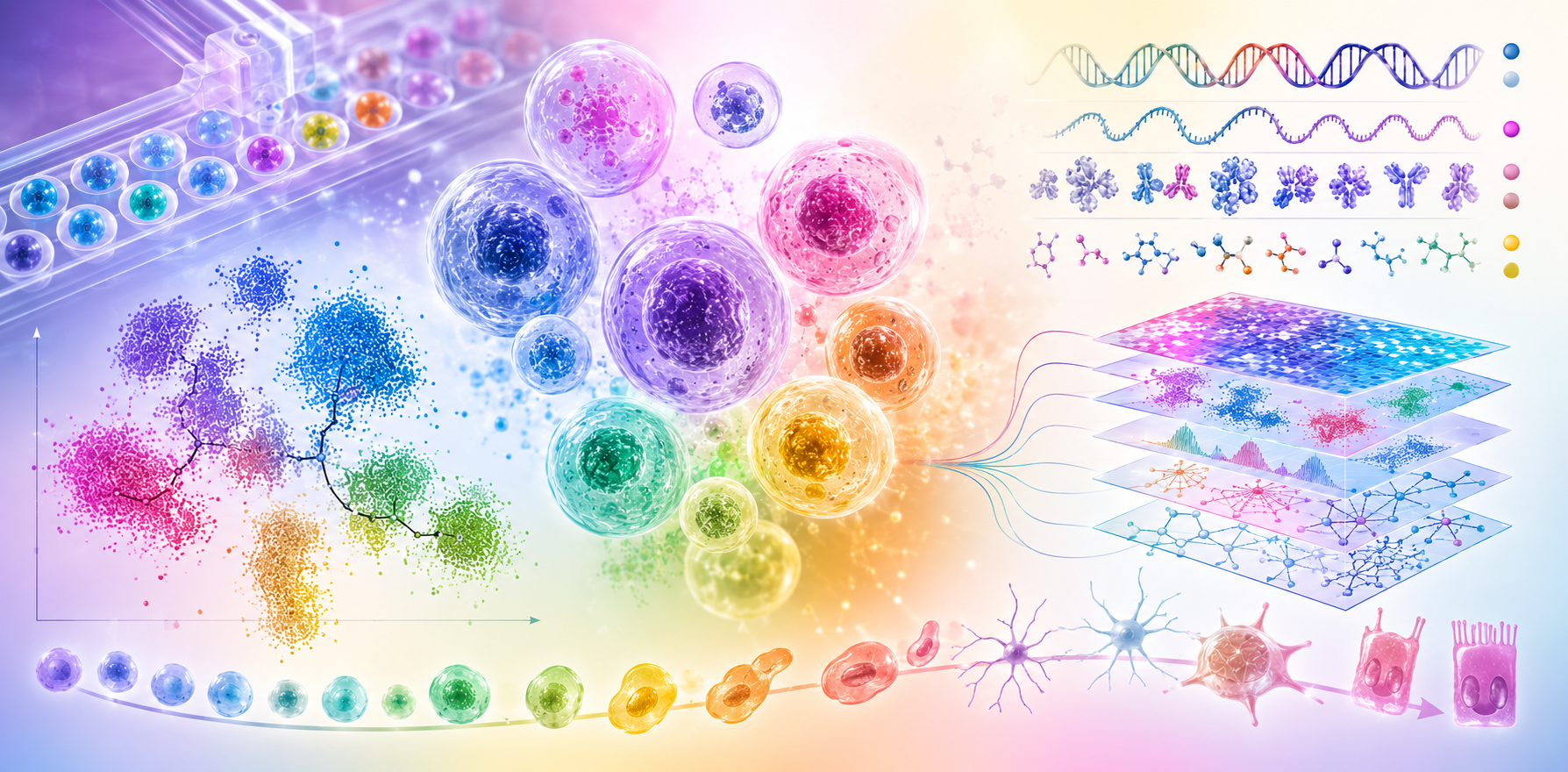
Single-Cell Omics
Analysis of individual cells to understand cellular heterogeneity.
Technologies:
- Single-cell RNA-seq
- Single-cell ATAC-seq
- Spatial transcriptomics
- Multi-modal single-cell analysis
Long-Read Sequencing
Analysis of third-generation sequencing data for complex genomic regions.
Applications:
- Structural variant detection
- Haplotype phasing
- Transcriptome isoform analysis
- Metagenome assembly
Computational Immunology
Application of computational methods to understand immune system function.
Topics:
- T-cell and B-cell receptor analysis
- Epitope prediction
- Immune repertoire sequencing
- Cancer immunotherapy design
Research Facilities
Omics Science and Bioinformatics Center
State-of-the-art computational infrastructure supporting:
- High-performance computing cluster
- Large-scale data storage
- Bioinformatics software suites
- Training and workshop facilities
Collaborative Research
- Joint projects with hospitals
- Industry partnerships
- International collaborations
- Access to clinical cohorts
Current Research Projects
Our faculty and students are actively engaged in numerous research projects funded by national and international agencies:
- Cancer genomics in Thai populations
- Agricultural genomics for crop improvement
- Infectious disease genomics
- Drug discovery for tropical diseases
- Marine organism genomics
- Biofuel development
- Vaccine design
For more information about specific research projects or to discuss potential collaborations, please contact our research coordinator.