Research
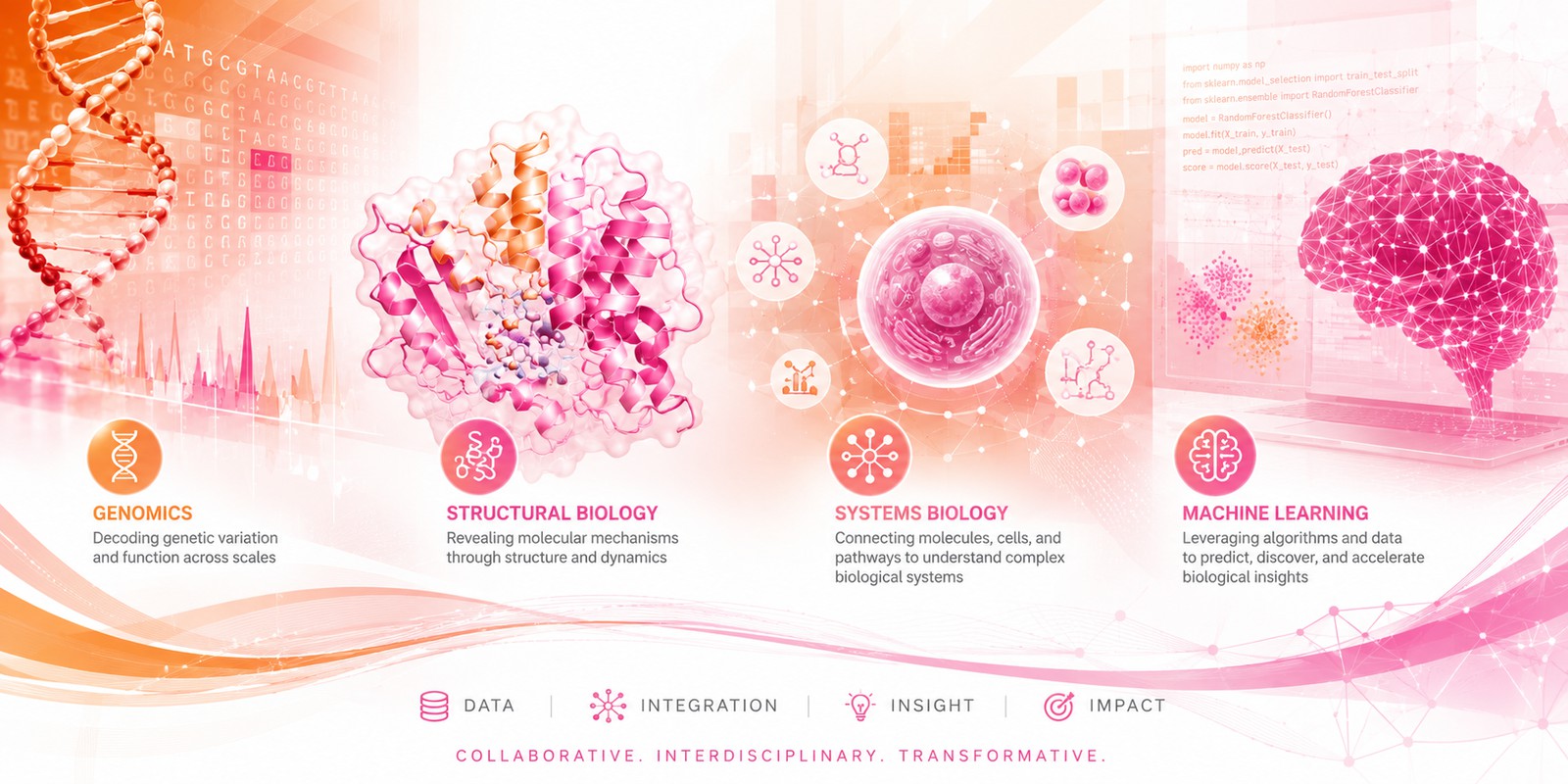
Research spanning genomics, structural biology, systems biology, and machine learning
Core Research Areas
Our program integrates computational and biological expertise across 12 specialized research domains, so students can pursue research in their area of interest.
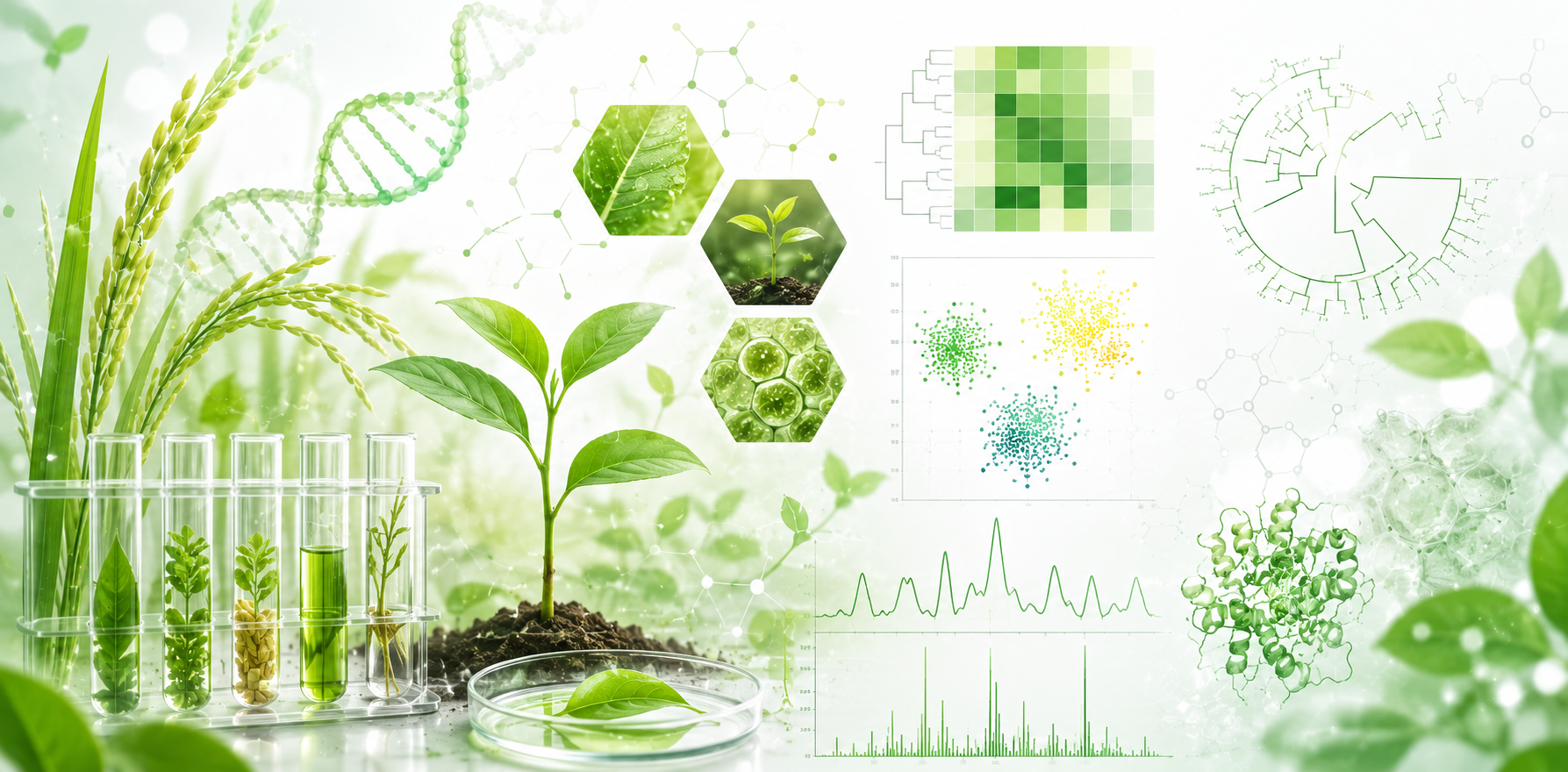
Agricultural and Plant Bioinformatics
Computational analysis of plant genomes, transcriptomes, and metabolomes to support crop improvement, stress tolerance, and the study of phytonutrients and bioactive compounds
Applications
- Drought and disease-resistant crop varieties
- Enhanced nutritional content in food crops
- Cassava starch biosynthesis optimization
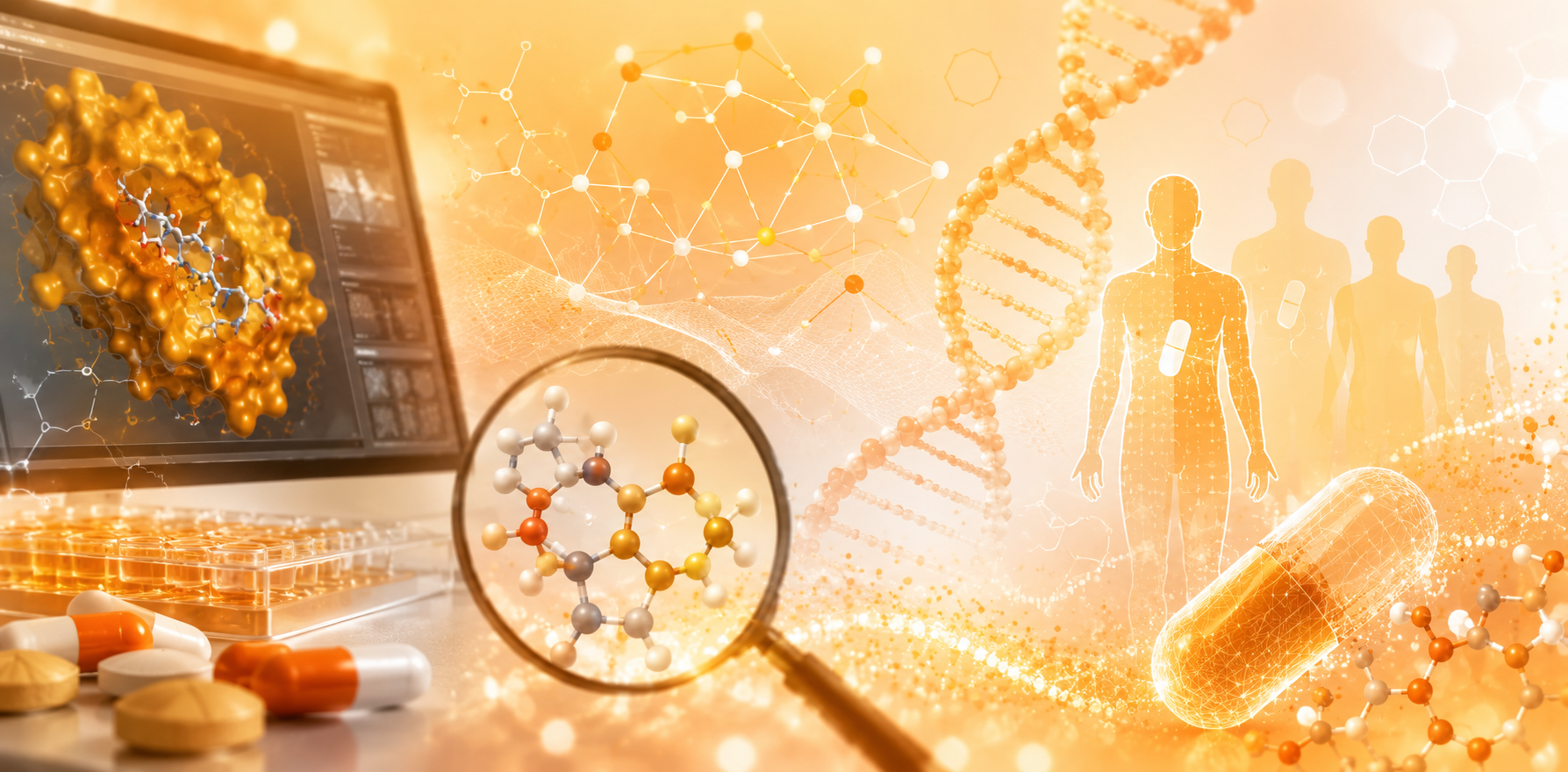
Drug Discovery and Pharmacogenomics
In silico methods for identifying, screening, and optimizing drug candidates including virtual screening, QSAR modeling, and pharmacogenomics
Applications
- Antibacterial and antiviral drug design
- Kinase inhibitor development
- Natural product-based drug discovery
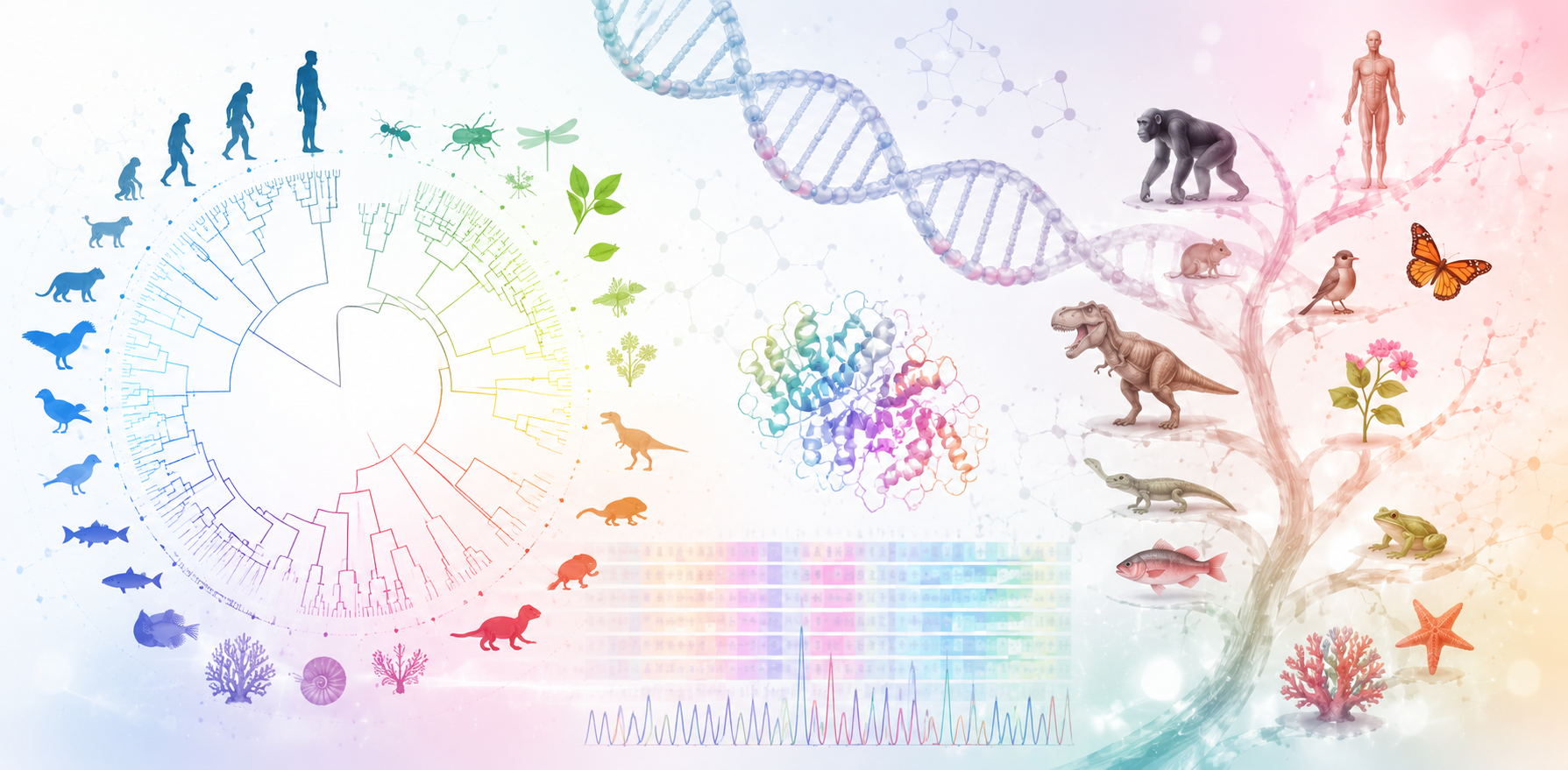
Evolutionary and Phylogenetic Analysis
Computational reconstruction of evolutionary relationships through molecular phylogenetics, phylogenomics, and molecular evolution analysis
Applications
- Viral outbreak tracing and epidemiology
- Conservation biology and biodiversity
- Protein function evolution
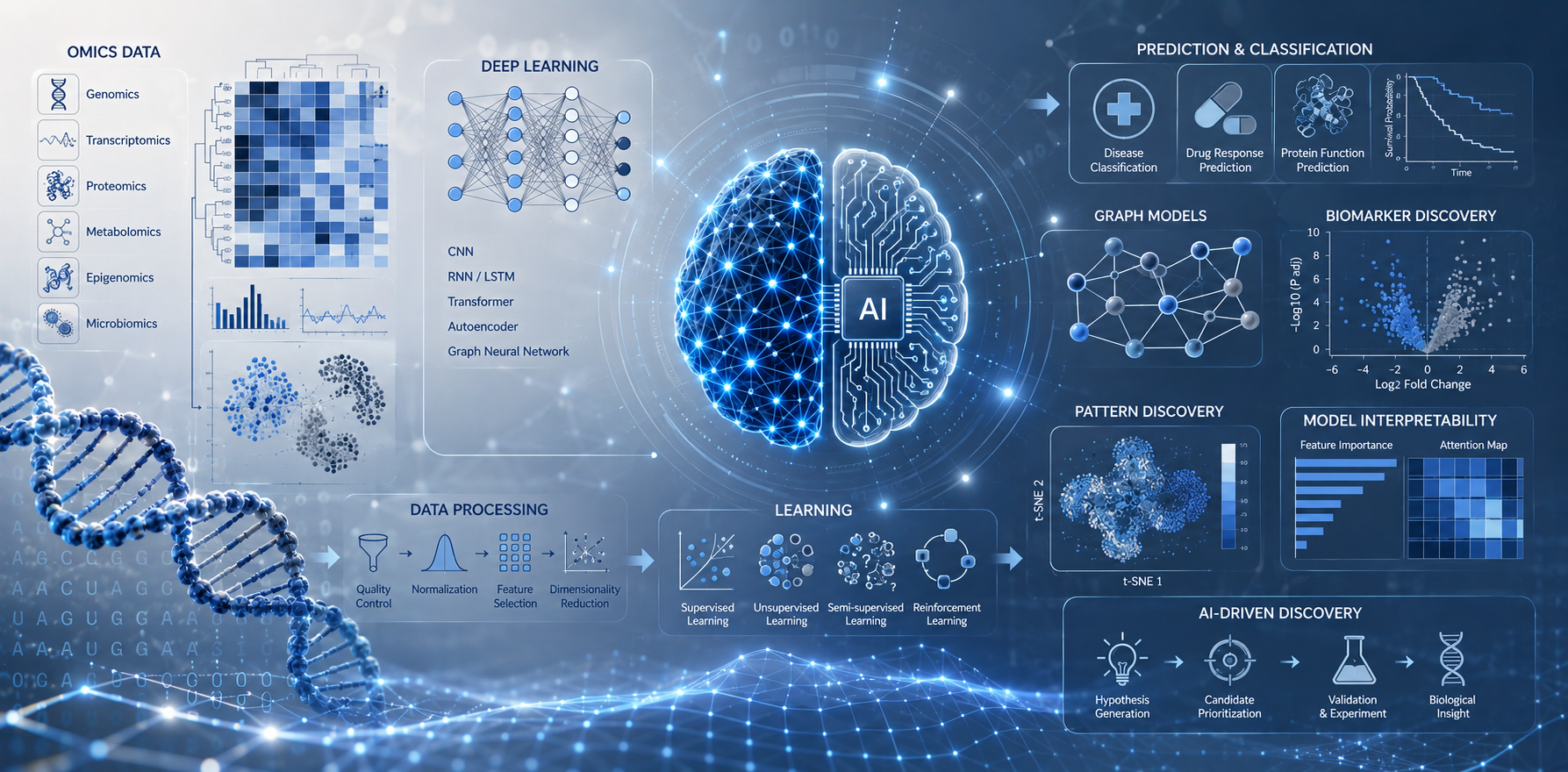
Machine Learning and AI in Biology
Application of deep learning, neural networks, graph models, and AI methods to predict biological properties, classify diseases, and discover patterns in omics data
Applications
- Protein structure and function prediction
- Cancer subtype classification
- Drug response prediction
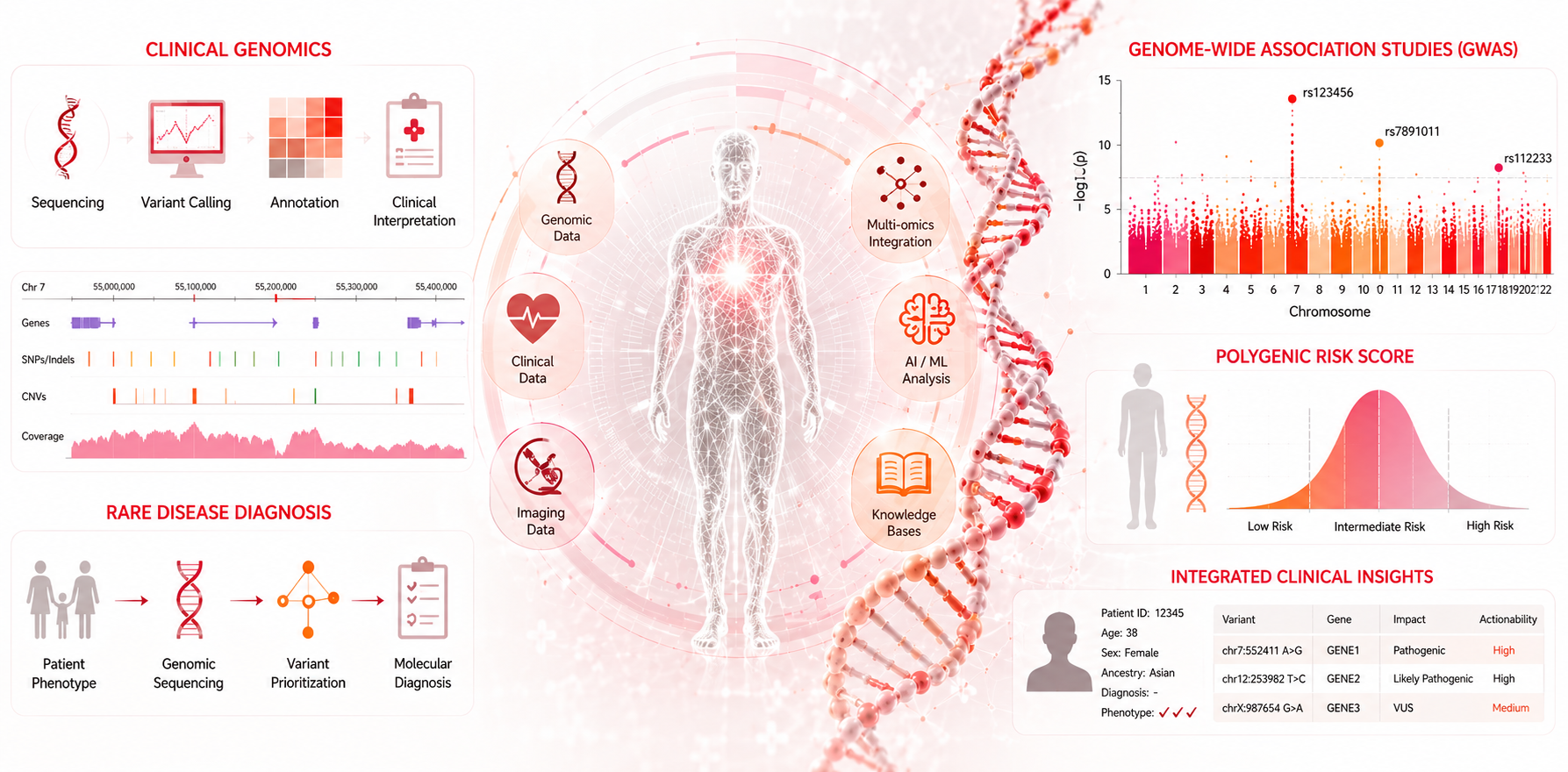
Medical and Clinical Bioinformatics
Application of bioinformatics to clinical genomics, rare disease diagnosis, genome-wide association studies, and precision medicine
Applications
- Rare and hereditary disease diagnosis
- Tumor genomics and targeted therapy
- Population health genomics
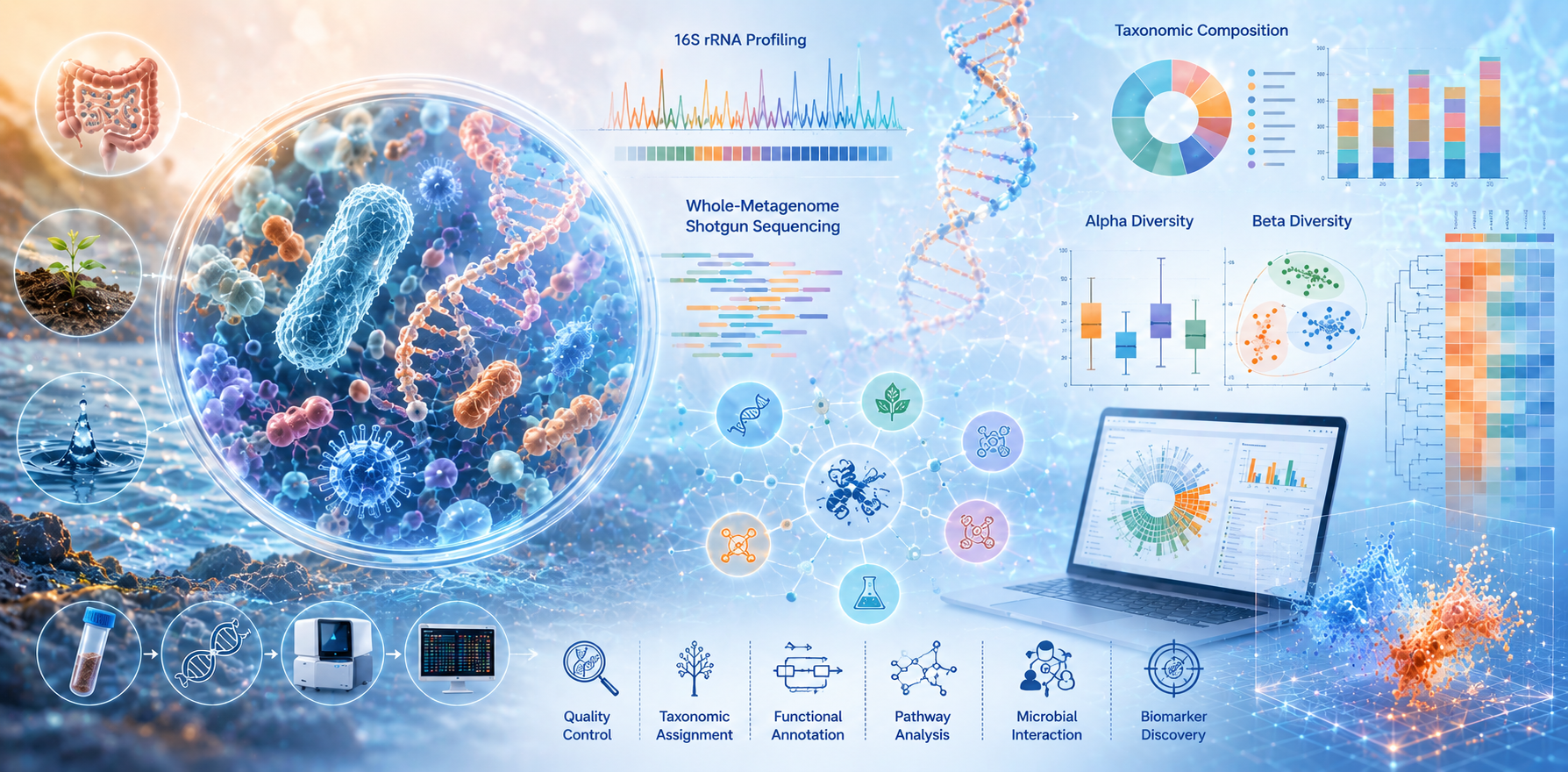
Microbiome and Metagenomics
Analysis of microbiome composition and metagenomic data from environmental or clinical samples using 16S rRNA profiling and whole-metagenome shotgun sequencing
Applications
- Gut microbiome and human health
- Environmental monitoring
- Infectious disease epidemiology
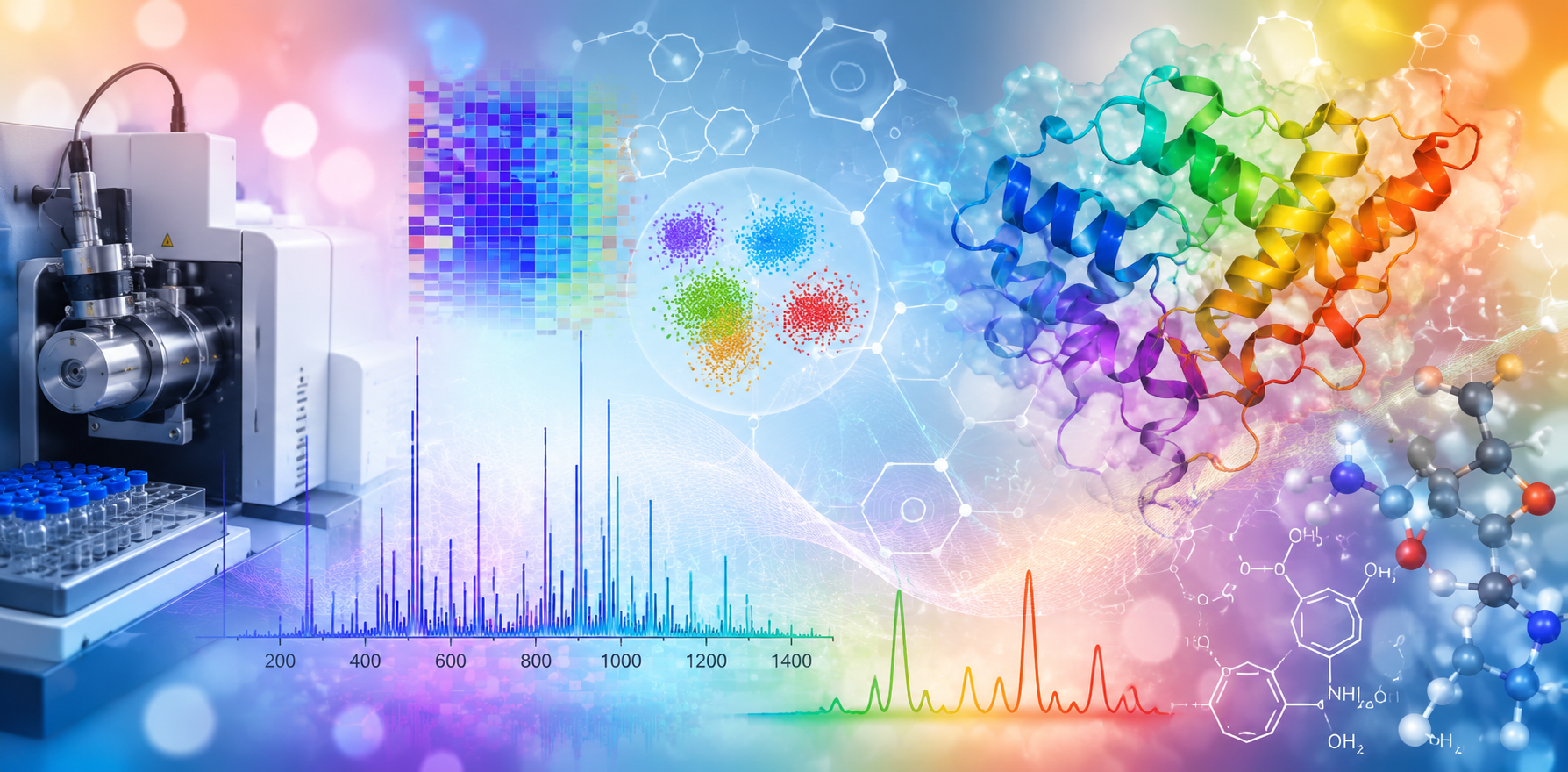
Proteomics and Metabolomics
Mass spectrometry-based computational approaches for large-scale identification, quantification, and functional characterization of proteins and metabolites
Applications
- Biomarker discovery for disease
- Drug mechanism of action
- Plant secondary metabolite profiling
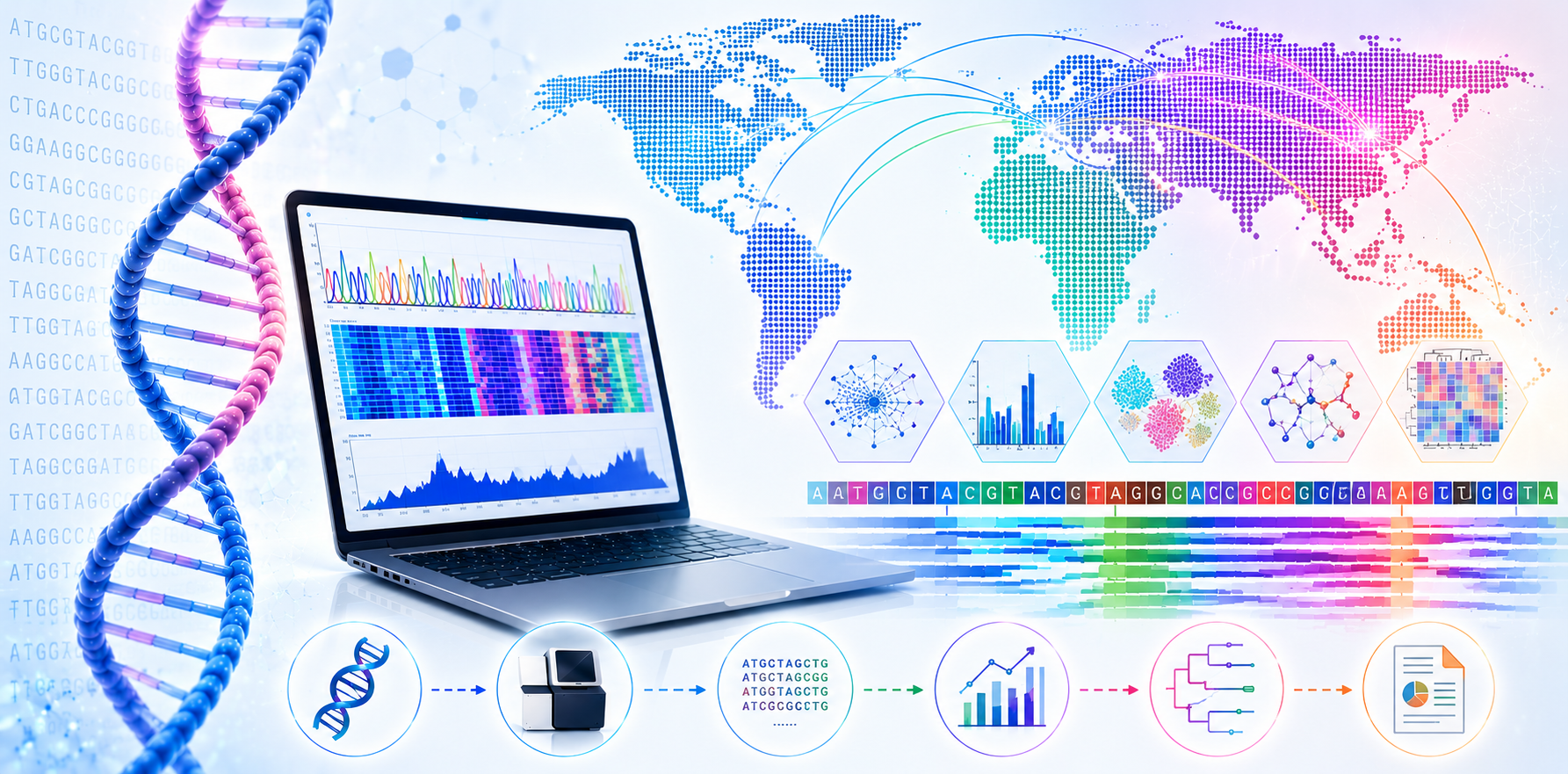
Sequence Analysis and Genomics
Comprehensive computational approaches to analyze DNA, RNA, and protein sequences, including whole-genome sequencing, variant calling, and comparative genomics
Applications
- Disease variant discovery
- Crop genome improvement
- Phylogenomic studies
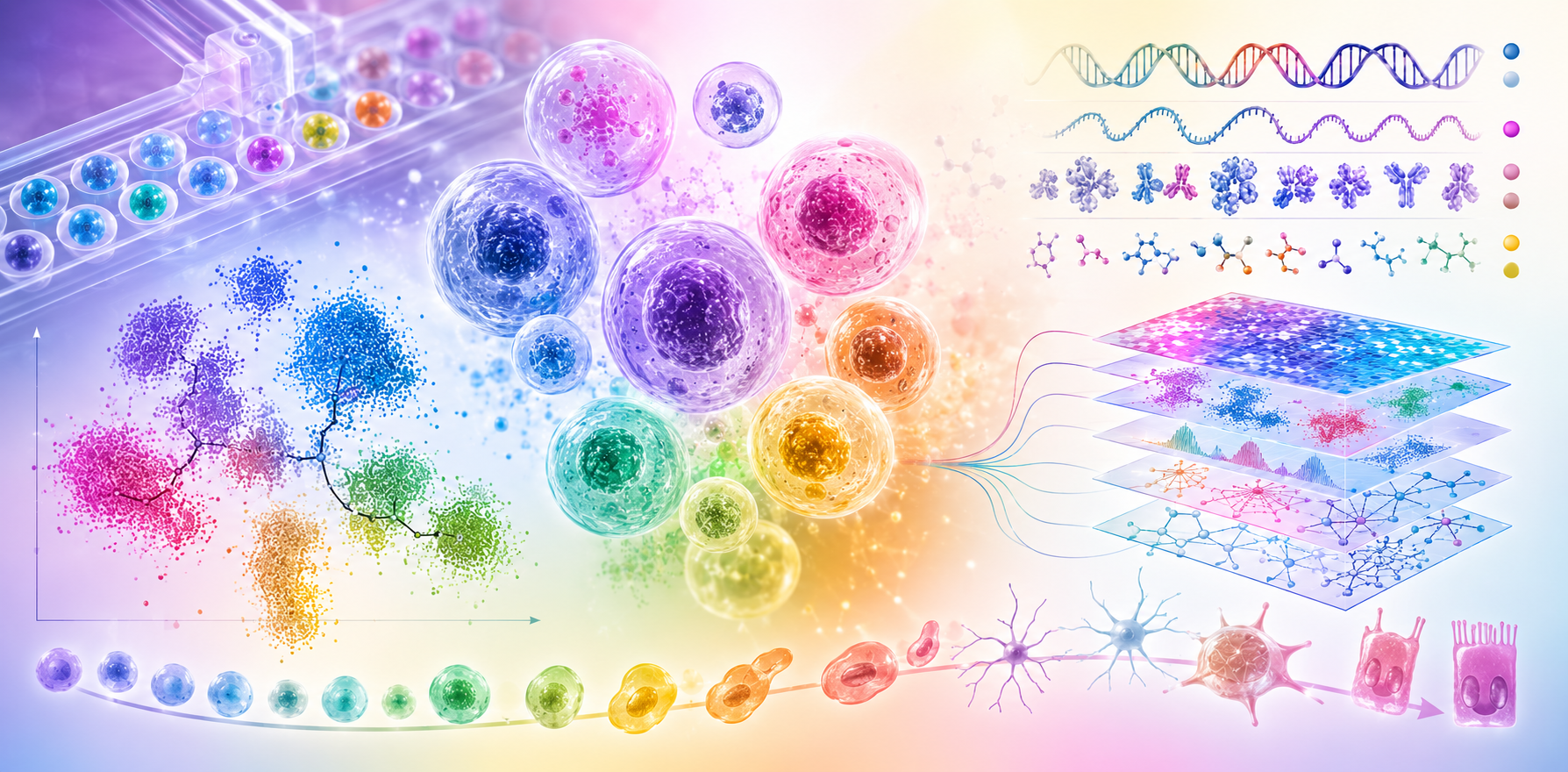
Single-Cell Omics and Multi-Omics Integration
Computational methods for analyzing single-cell RNA sequencing and integrating multi-omics data to resolve cellular heterogeneity, identify cell types, and study developmental trajectories
Applications
- Tumor microenvironment characterization
- Developmental biology and lineage tracing
- Immune cell profiling
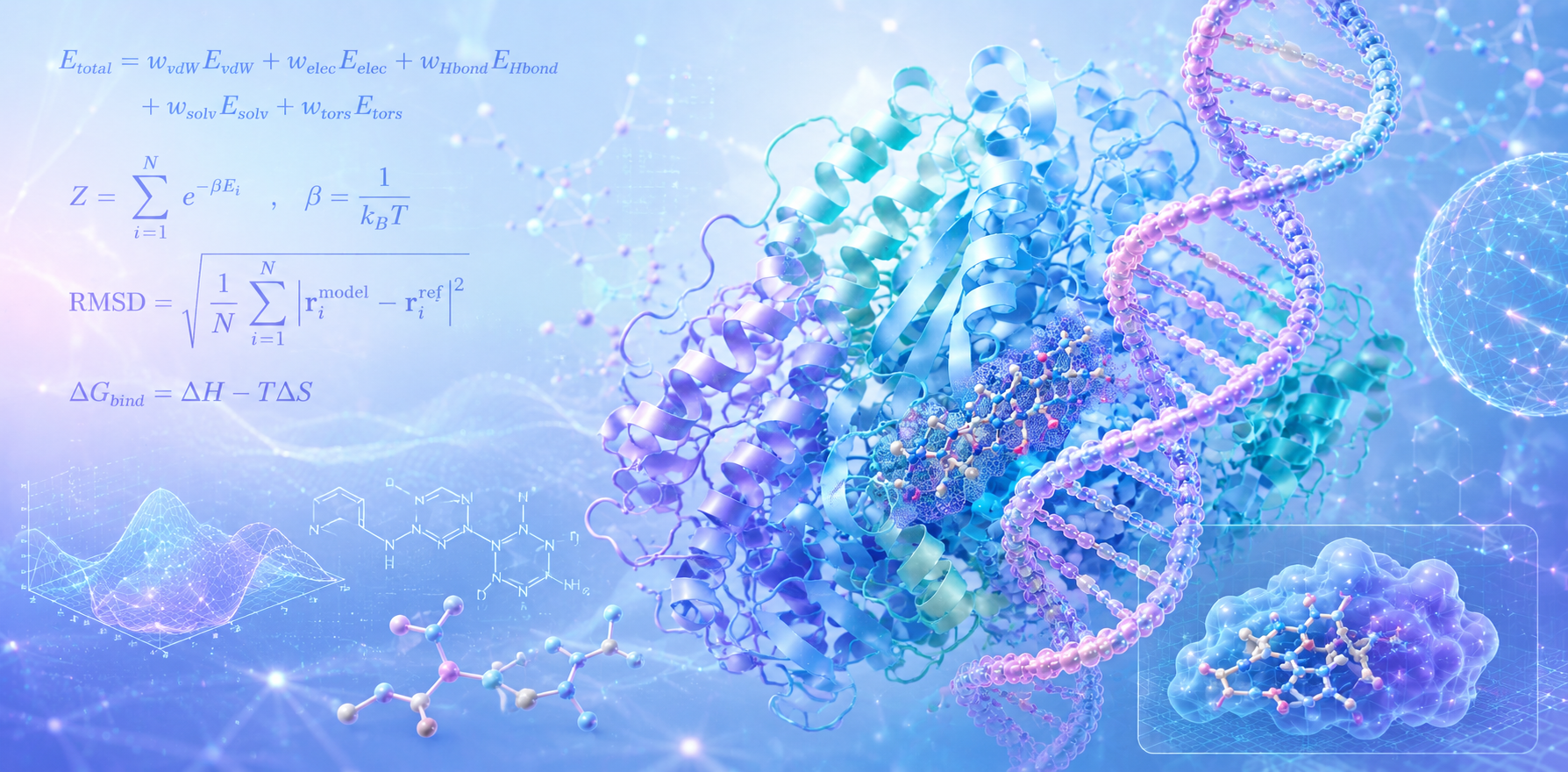
Structural Bioinformatics
Prediction, analysis, and simulation of three-dimensional protein and RNA structures to understand molecular function, interactions, and drug targets
Applications
- Drug target identification
- Understanding ion channel mechanisms
- Enzyme engineering
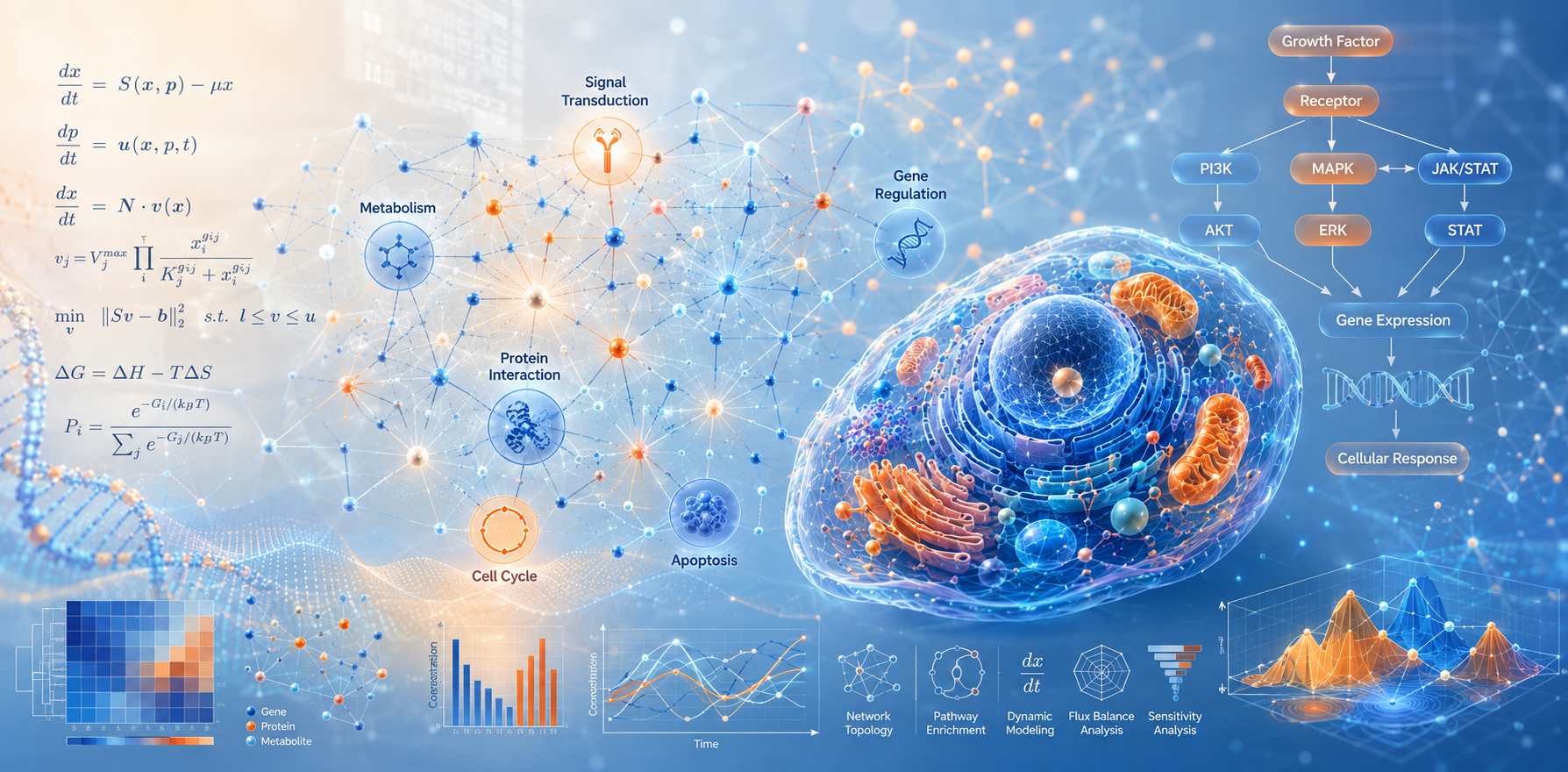
Systems Biology and Networks
Mathematical and computational modeling of biological networks and pathways to understand complex cellular behavior and emergent system properties
Applications
- Identifying drug targets in disease networks
- Metabolic engineering
- Understanding antibiotic resistance
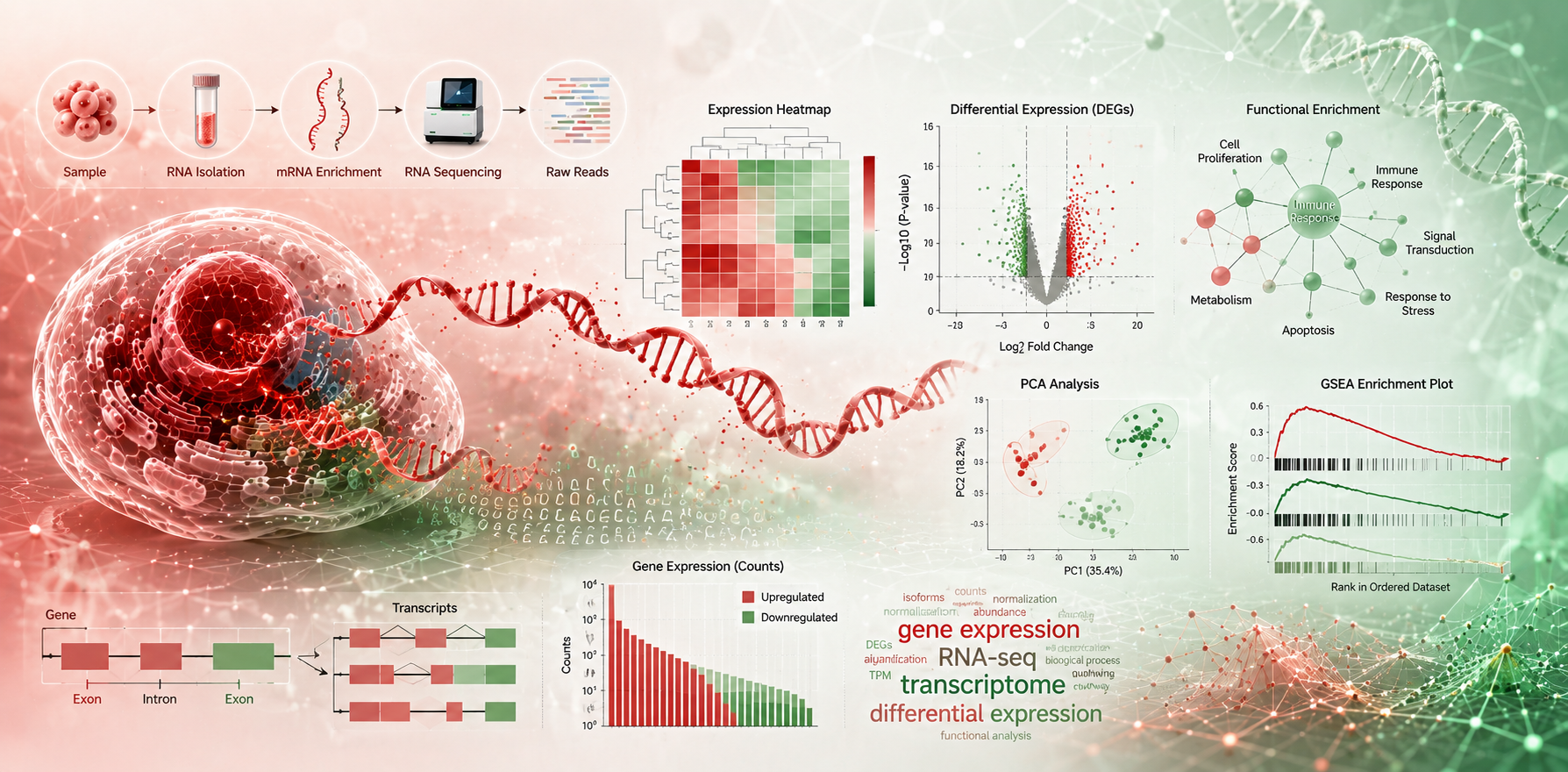
Transcriptomics and Gene Expression
Computational analysis of RNA sequencing data to quantify gene expression, identify differentially expressed genes, and characterize the transcriptome
Applications
- Disease biomarker discovery
- Drug response profiling
- Developmental biology
Research Highlights
Publications →
Faculty and students publish regularly in Nature, Science, Cell, and leading bioinformatics journals
Facilities
Omics Science and Bioinformatics Center with high-performance computing
Collaborations
Active partnerships with hospitals, industry, and international research institutions worldwide
Recent publications
Latest papers by the program committee and students
LGBTQ+ Health
2026
Ranked motivations for medical gender affirmation among transgender men and women in Thailand: a cross-sectional descriptive studyNannapat Settavisavasakul, Taninee Sahakitrungruang, Thanapob Bumphenkiatikul, Poonpissamai Suwajo, Krasean Panyakhamlerd, Ammarin Suwan, Vorasuk Shotelersuk, et al.
ACS Omega
2026
A Previously Unreported Octapeptide from Ganoderma lucidum Attenuates Oxidative Stress and Inflammation in LPS-Stimulated Macrophages via Modulation of NF-κB and COX-2 SignalingChompunud Kanjanapanyakom, Yodying Yingchutrakul, Duangjai Todsaporn, Pawitrabhorn Samutrtai, Arnatchai Maiuthed, Pithi Chanvorachote B, Thanyada Rungrotmongkol, et al.
Ecology and Evolution
2026
Social Behaviour Drives Gut Microbiome Community Assembly Among Wild Long‐Tailed Macaques ( Macaca fascicularis ) in ThailandKrishna N. Balasubramaniam, Jishnu Kesh, Nalina Aiempichitkijkarn, Robert Atwill, Suchinda Malaivijitnond, Brenda McCowan, Sunchai Payungporn, et al.
Kidney International Reports
2026
The PLANET-KT Randomized Controlled Trial: Plant-Based Diet Beyond Blood Pressure ControlRungthiwa Kitpermkiat, Sansanee Thotsiri, Prapimporn C. Shantavasinkul, Sunchai Payungporn, Ekamol Tantisattamo, Nipaporn Butsing, et al.
Applied Surface Science
2026
A mechanism-grounded roadmap for hydrogen storage in edge-functionalized Li-decorated 2D carbon frameworks: synergistic DFT and machine learning insightsChompoonut Rungnim, Chuanchom Aumnate, Nadnudda Rodthongkum, Phornphimon Maitarad, Thanyada Rungrotmongkol
Research Opportunities
Students have opportunities to collaborate with and conduct research at leading institutions around the world
-
 Omics Sciences & Bioinformatics Center (CU)
-
 BIOTEC / NSTDA
-
 University of Liverpool (UK)
-
 University of Bristol (UK)
-
 Universität Wien (Austria)
-
 IWR Heidelberg (Germany)
-
 DKFZ — German Cancer Research Center (Germany)
-
 Politecnico di Milano (Italy)
-
 University of Tsukuba (Japan)
-
 Ibaraki University (Japan)
-
 NAIST — Nara Institute of Science and Technology (Japan)
-
 Institute for Molecular Science, NINS (Japan)
-
 Peking University (China)
-
 Shanghai University (China)
-
 Genome Center, UC Davis (USA)